


What an Increase in Health Infrastructure Means for Guyana’s Property Market
New Major Hospitals in 2025
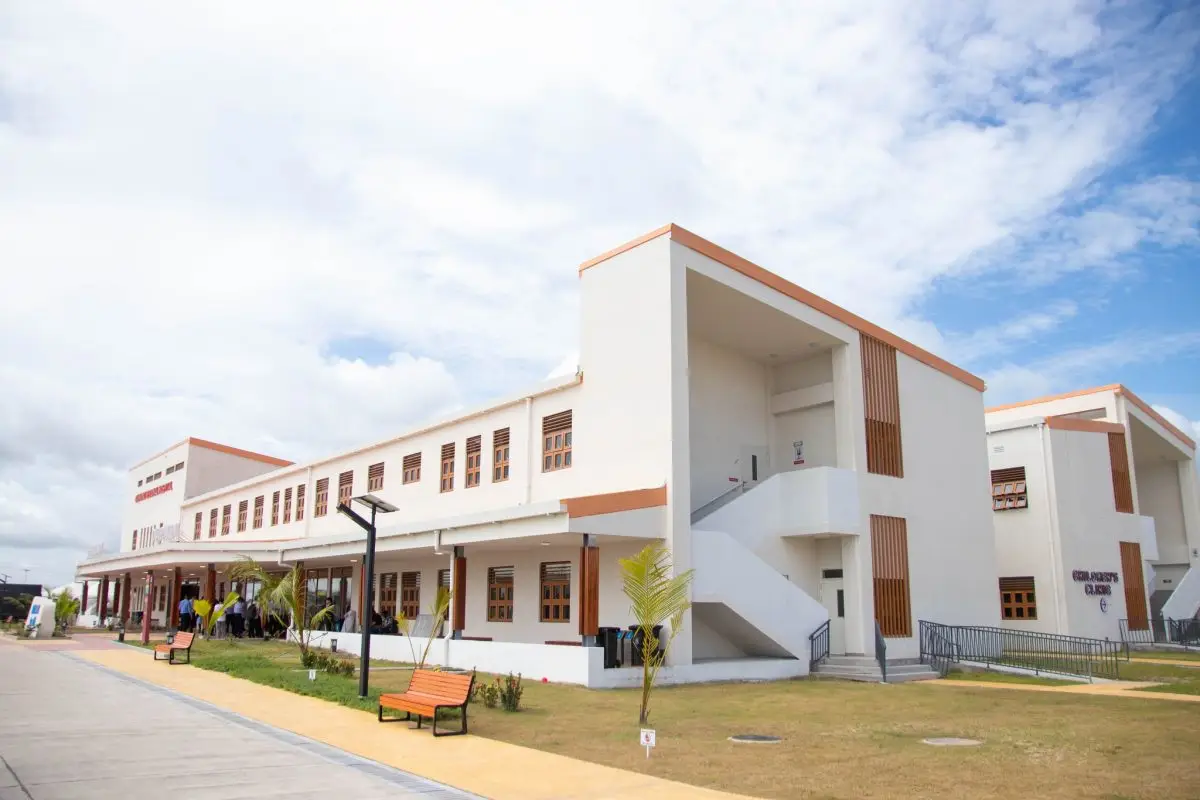
The Guyanese government has committed to opening 12 new hospitals by 2028, with six regional hospitals being commissioned in 2025. This includes hospitals in regions 2 (Lima), 3 (De Kinderen), 4 (Diamond, Enmore), 5 (Bath), and 6 (No. 75 Village). Additionally, numerous upgrades and a new Pediatric & Maternal Hospital at Ogle are underway.
Recognising a major workforce shortage, the Health Ministry is importing Cuban and Chinese medical professionals to staff these hospitals. The government estimates that 3,000 additional personnel are needed for the six new hospitals alone, with over 6,000 total staff required nationwide.
Impact on Real Estate and Local Development
With hundreds of doctors, nurses, and support staff relocating, rental markets near hospitals will experience immediate pressure. High-quality apartments, staff housing, and temporary lodgings will be in demand. Not all healthcare workers will be stationed on a long-term basis. Visiting consultants, volunteers, and NGO-supported staff (for example, GPHC’s foreign partners) will seek short-term rentals (monthly or weekly) and may prefer studio or 1-bedroom apartments close to hospital campuses.
International recruits will seek fully furnished homes, modern amenities, and safe neighbourhoods, opening up investment opportunities for short-term rental providers.
Medical staff, visiting families, patients, and visitors at the hospitals will also boost demand for:
- Restaurants, cafés, and grocery stores near hospitals
- 24/7 pharmacies, daycare centres, gyms, and wellness spaces
- Play areas and parks, especially around family-focused hospitals like the Pediatric & Maternal facility at Ogle
The six hospitals opening in 2025 are in areas that have not traditionally hosted high numbers of professionals. As a result, there’s little to no modern rental stock in places like Bath (Region 5), Number 75 Village (Region 6), or Moruca (Region 1). These areas present a ground-floor investment opportunity in first-generation rental housing, with minimal competition.
Additionally, in regional communities, families often travel to accompany loved ones receiving care. Many will need temporary stays (1–2 weeks or more) and prefer basic accommodations within walking distance of the hospital. This opens opportunities for guesthouses, affordable rooms-for-rent, or hostel-style lodging, especially in areas like Lethem and Kato.
Strategic Development Ideas: How to Capitalise
| Investment Focus | Concept | Benefits |
| Furnished Rentals | Converted apartments and townhouses | High occupancy; strong ROI |
| Transit-Oriented Development | Shuttle systems + park and ride | Improves mobility, increases land value |
| Commercial Zone | Pharmacies, cafés, daycare, fitness | One-stop convenience boosts foot traffic |
| Mixed-use Estates | Apartments + shops + recreation | Creates vibrant community hubs |
Ogle Pediatric & Maternal Hospital
This first-of-its-kind Caribbean facility will attract doctors, nurses, and visiting families year-round. A smart investor could develop
- A 4-6-bed guesthouse for visitors and temporary tenants
- Cafés and snack kiosks offering kid-friendly meals near the hospital
- After-hours pharmacies and coworking spaces for staff and telemedicine patients
Challenges Investors and Developers May Face
While the surge in infrastructure projects across Guyana opens exciting opportunities for real estate development, it’s not without its hurdles. Addressing the growing demand near new hospitals, highways, and ports requires foresight. Here are some challenges that may slow or complicate development:
- Access to Land and Clear Titles
Many of the areas surrounding new developments, particularly rural or hinterland regions, still face
- Land disputes or unclear ownership
- Lengthy processes for land lease or conversion to freehold
- Limited access to government or NICIL lands
A clear land title proves legal ownership and ensures that no one else can claim the property later.
Solution: Developers must work closely with the Guyana Lands and Surveys Commission, seek legal counsel to avoid delays, and ensure land is legally viable for commercial use.
- High Construction Costs & Supply Chain Issues
With increased demand for materials nationwide, developers may face
- Rising prices for cement, steel, lumber, and finishes
- Delays in equipment or materials, especially in remote areas
- Dependence on imported items
Solution: Strategic planning, bulk purchasing, and partnerships with reliable local suppliers can reduce cost overruns.
- Labour Shortages and Skills Gap
The construction boom across Guyana is straining the available workforce. Developers may encounter
- Shortage of skilled labourers like electricians, plumbers, and masons
- Wage inflation due to competition for experienced workers
- Delays due to low workforce capacity in interior regions
Solution: Invest in on-site training or partner with local vocational institutes to secure a skilled team.
- Market Uncertainty in New Growth Areas
Even with new hospitals or roads nearby, some areas may take longer to attract renters or buyers because:
- In some areas, population density is still low.
- Amenities like schools, shops, or entertainment are not yet established
- Perceived safety and social infrastructure may lag behind
Solution: Market research and phased developments (starting small and expanding) can reduce the risk of overbuilding in immature markets.
Smart investors must balance optimism with preparation by building relationships with communities, authorities, and technical partners who can help them navigate these challenges. The combination of new hospitals and imported medical professionals will generate strong demand for housing, retail, transportation, and social infrastructure. Investors and developers can anticipate this by acting now and securing land and planning community projects that serve a growing, skilled, and temporary workforce.
